
Introduction to Birth Injury Claims
Table of Contents
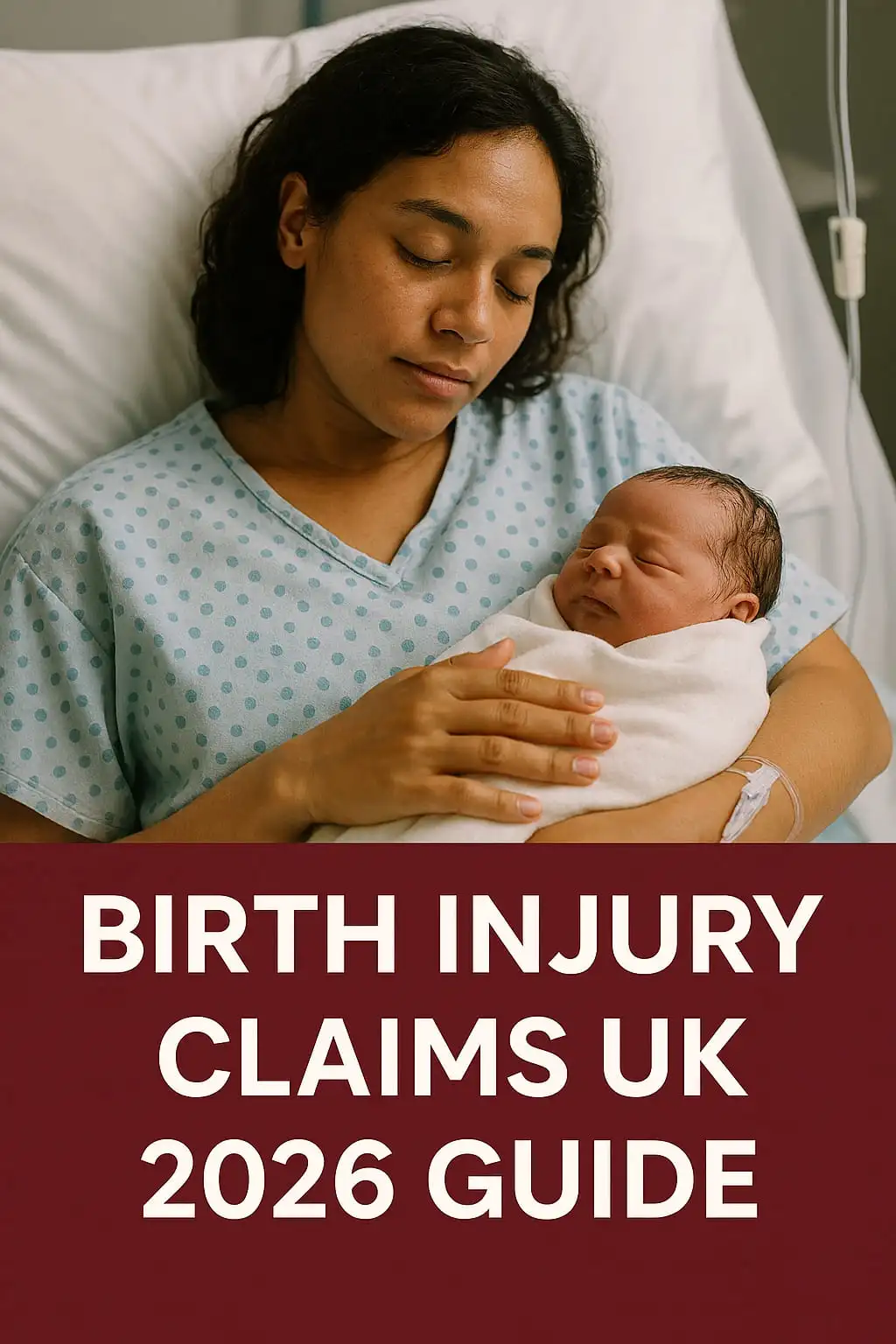
The birth of a child should be the most joyful moment in a family’s life.
However, when medical errors occur, the consequences can be devastating and lifelong.
Understanding Birth Injury Compensation Claims UK is the first step toward securing the specialized care and financial support your child may need for the future.
At Elite Tort Claims, we recognize that no amount of money can undo the trauma of a birth injury.
Yet, a successful claim ensures that your child has access to the best rehabilitation, home modifications, and educational support.
In 2026, the legal landscape for clinical negligence is more complex than ever, making it vital to have a specialist team that understands the nuances of maternity care standards.
This is why understanding the full scope of Birth Injury Compensation Claims UK is essential for any family seeking justice.
Common Types of Birth Injuries in the UK
When investigating Birth Injury Compensation Claims UK, we often see several recurring types of negligence.
These injuries can affect both the newborn and the mother.
1. Cerebral Palsy and Brain Damage
This is often the result of oxygen deprivation (asphyxia) during labor.
If medical staff fail to monitor the baby’s heart rate or delay a necessary C-section, the resulting brain damage can lead to permanent disability.
2. Erb’s Palsy (Brachial Plexus Injury)
Occurring when the baby’s shoulder becomes stuck during delivery (shoulder dystocia), this injury often results from excessive pulling by the medical team.
Claims for Erb’s Palsy focus on whether the staff followed the correct maneuvers to safely deliver the infant.
3. Hip Dysplasia Misdiagnosis
Failure to perform or correctly interpret newborn hip screenings can lead to long-term mobility issues and the need for multiple surgeries later in life.
4. Maternal Injuries
Birth Injury Compensation Claims UK also cover injuries to the mother, such as severe perineal tears (3rd or 4th degree) that were not correctly diagnosed or repaired, or complications from poorly managed pre-eclampsia.
Proving Medical Negligence in Birth Injury Cases
Proving negligence in a maternity ward requires meeting a high legal threshold.
Your legal team must demonstrate two key elements:
- Breach of Duty: That the care provided by the midwives or obstetricians fell below the standard expected of a competent professional in 2026.
- Causation: It must be proven that the medical error directly caused the injury, for instance, would the baby have been healthy if a C-section had been performed 20 minutes earlier?.
Understanding the Financial Impact & Compensation Value
The financial rewards in Birth Injury Compensation Claims UK are often among the highest in the field of clinical negligence.

This is because the compensation must cover the needs of a child for their entire natural life.
In 2026, courts calculate these payouts based on several critical “Heads of Claim”:
- General Damages: This covers the physical pain, suffering, and “loss of amenity” (loss of quality of life) experienced by the child.
- Special Damages: This is where the bulk of the compensation lies, covering quantifiable financial losses.
- Future Care Costs: Payments for specialized nursing care, often required 24/7 for severe brain injury cases.
- Home Adaptations: Funds to purchase or modify a home to accommodate wheelchairs, lifts, and wet rooms.
- Specialized Equipment: This includes adapted vehicles, communication aids, and orthotics that need regular replacement.
- Loss of Earnings: An estimation of what the child would have earned in their lifetime had the injury not occurred.
The Legal Process and Timeline for Parents
Starting Birth Injury Compensation Claims UK is a marathon, not a sprint.
Due to the complexity of medical evidence, these cases can take several years to reach a final settlement.
- Initial Investigation: Your legal team gathers medical records from the NHS or private hospital.
- Expert Reports: We instruct independent medical experts (neurologists, obstetricians, and midwives) to review the care provided.
- Letter of Claim: A formal document sent to the healthcare provider detailing the negligence.
- Interim Payments: If the defendant admits liability, we can often secure “Interim Payments”.
This is vital for families to pay for immediate care before the final settlement.
Why the 2026 Legal Landscape is Different
With new maternity safety schemes and NHS Resolution protocols in 2026, the focus has shifted toward earlier settlements.
However, families still face hurdles when proving that a specific action led to a long-term condition like Cerebral Palsy.
This is why expert representation from Elite Tort Claims is non-negotiable.
How to Maximize Your Birth Injury Compensation Claims UK
Time Limits for Birth Injury Claims in the UK
Understanding the “Statute of Limitations” is critical for Birth Injury Compensation Claims UK.
While standard medical negligence claims usually have a 3-year limit, birth injury cases involving children follow different rules.
- The Rule for Children: The 3-year “clock” does not start until the child turns 18, this means a claim can technically be started at any point until their 21st birthday.
- Mental Capacity Exceptions: If a birth injury, such as severe Cerebral Palsy, results in the child lacking the mental capacity to manage their own affairs, there is often no time limit to bring a claim.
- Maternal Injury Limits: For mothers who suffered injuries during childbirth, the standard 3-year limit from the date of the injury (or the date of knowledge) typically applies.
No Win No Fee Birth Injury Claims
Most families are concerned about the cost of high-stakes litigation.
Fortunately, Birth Injury Compensation Claims UK can be pursued under a Conditional Fee Agreement (CFA), commonly known as “No Win No Fee”.
- Zero Financial Risk: You do not pay any upfront legal fees.
- Expert Access: This allows families to access top-tier medical experts and solicitors who specialize in complex maternity negligence.
- Success Fees: If the case is won, a pre-agreed percentage of the compensation covers the legal costs.
If the case is lost, you pay nothing.
The Long-Term Impact on Quality of Life
A birth injury does not just affect a single moment; it reshapes the entire future of a family.
When calculating Birth Injury Compensation Claims UK, legal and medical experts look far beyond the initial diagnosis to assess the “holistic impact” on the child and their parents.
1. Physical and Mobility Challenges
Children with conditions like Cerebral Palsy may face lifelong challenges with movement, coordination, and muscle control.
Compensation often funds:
- Regular physiotherapy sessions to maintain muscle tone and flexibility.
- Hydrotherapy and specialized exercise programs designed for pediatric rehabilitation.
- Advanced mobility aids, from specialized strollers to motorized wheelchairs as the child grows.
2. Educational and Cognitive Support
Many birth injuries involve neurological damage that affects learning and development.
A successful claim ensures that the child is not left behind in the UK education system:
- Funding for Special Educational Needs (SEN) support and private tutoring.
- Speech and language therapy to assist with communication barriers.
- Occupational therapy to help the child develop daily living skills and independence.
3. Psychological Impact on the Family
The emotional toll on parents and siblings is immense.
Birth Injury Compensation Claims UK can include provisions for:
- Counseling and mental health support for parents dealing with the trauma of a difficult birth.
- Respite care, allowing parents to take necessary breaks while ensuring their child is in safe, professional hands.
The Role of Independent Medical Experts
To reach the 2026 standards of evidence, your solicitor will commission reports from a “Multi-Disciplinary Team” of experts.
These are not NHS doctors, but independent specialists who provide an unbiased view of the negligence:
- Consultant Obstetricians: To review the management of labor and delivery.
- Paediatric Neurologists: To diagnose the extent of brain or nerve damage.
- Care Experts: To calculate the exact cost of the care the child will need until the age of 80 or beyond.
Choosing the Best Birth Injury Solicitor in 2026
Selecting the right legal representation is the single most important decision a parent can make in Birth Injury Compensation Claims UK.
Not all medical negligence solicitors have the expertise required for high-value birth trauma cases.
- Specialization is Key: Look for firms that have a dedicated “Maternity Negligence” department.
- Track Record: Ask for case studies or examples of previous settlements involving Cerebral Palsy or brain damage.
- Accreditations: Ensure the solicitor is accredited by the Law Society or AvMA (Action against Medical Accidents).
The “Legal Aid” Advantage: Unlike most negligence cases, some Birth Injury Compensation Claims UK involving neurological injuries to infants still qualify for Legal Aid.
A specialist firm will be able to tell you if you are eligible for this government funding.
How Compensation is Paid (Lump Sums vs. PPOs)
In 2026, the way families receive their money is often customized to their needs.
- Lump-Sum Payments: A single, large payment intended to cover immediate costs like buying a specially adapted house or vehicle.
- Periodical Payment Orders (PPOs): Regular, tax-free annual payments made for the rest of the child’s life, this provides peace of mind that funds for care will never run out, regardless of how long the child lives.
- The Hybrid Approach: Most successful Birth Injury Compensation Claims UK use a combination of both to ensure both immediate and long-term security.
Estimated Payouts for Birth Injury Compensation Claims UK (2026)
One of the most frequent questions parents ask is: “How much is my child’s claim worth?”.
While every case is unique, Birth Injury Compensation Claims UK often result in higher settlements due to the lifelong care requirements.
In 2026, the Judicial College Guidelines provide a framework for “General Damages,” but “Special Damages” (financial losses) make up the majority of the payout.
| Type Estimated Compensation Range (General Damages) | Injury Type |
| £280,000 – £450,000+ (Plus millions in care costs) | Severe Brain Damage / Cerebral Palsy |
| £45,000 – £120,000 | Severe Brachial Plexus (Erb’s Palsy) |
| £250,000 – £350,000 | Total Loss of Sight/Hearing during birth |
| £15,000 – £40,000 | Moderate Maternal Birth Injuries |
The “Multi-Million Pound” Reality
It is important to note that for severe cases like Cerebral Palsy, the total settlement often exceeds £5 million to £15 million.
This is not a “lottery win” but a carefully calculated fund to ensure the child’s safety, medical treatment, and dignity for the next 60 to 80 years.
The Psychological Impact: Secondary Victims
In many Birth Injury Compensation Claims UK, the parents themselves can be considered “secondary victims”.
Witnessing a traumatic birth or seeing your child struggle in the NICU can lead to:
- Post-Traumatic Stress Disorder (PTSD): Many mothers and fathers suffer from flashbacks and severe anxiety.
- Depression and Nervous Shock: If the trauma was caused by witnessing gross negligence, parents may be entitled to their own separate compensation claim.
Why 2026 is a Turning Point for Maternity Rights
With the implementation of the “Maternity Safety Strategy” updates in 2026, there is more pressure on NHS Trusts to admit mistakes early.
This means that while the legal threshold remains high, the path to obtaining “Interim Payments” (early funds before the final settlement) has become more streamlined for families in desperate need.
The Role of the Healthcare Safety Investigation Branch (HSIB)
In 2026, the involvement of the Healthcare Safety Investigation Branch (HSIB) has become a standard part of many Birth Injury Compensation Claims UK.
When a baby suffers a potential brain injury at birth, the HSIB conducts an independent investigation to find out what went wrong.
- How HSIB Reports Help Your Case: While an HSIB report is not a legal finding of negligence, it provides a crucial “factual roadmap” for your solicitor.
- Identifying Systemic Failures: These reports often highlight issues like staffing shortages, faulty monitoring equipment, or communication breakdowns during shift changes.
- Speeding Up the Process: If the HSIB identifies clear errors, the NHS or private hospital is more likely to admit liability sooner, allowing for faster access to interim payments.
Key Evidence You Need to Gather
Building a successful claim for Birth Injury Compensation Claims UK requires a mountain of evidence.
Parents can help their legal team by keeping a detailed record of everything that occurred during and after the birth:
- The Birth Plan vs. Reality: Document any deviations from your birth plan that were made without informed consent.
- Medical Records: This includes CTG traces (baby’s heart rate monitor), ultrasound results, and neonatal intensive care unit (NICU) notes.
- Witness Statements: Written accounts from the mother, partner, or any family members present during the labor.
- A “Care Diary”: Since birth injuries often manifest slowly, keep a diary of developmental milestones, note when the child reaches (or fails to reach) stages like crawling, speaking, or walking.
- Financial Receipts: Keep every receipt for private therapy, travel to hospital appointments, and specialized equipment.
Navigating the Emotional Journey
We understand that pursuing Birth Injury Compensation Claims UK is emotionally draining.
It involves revisiting the most difficult day of your life.
This is why your solicitor should act as more than just a legal advisor; they should be a pillar of support.
- Support Groups: Many families find comfort in joining organizations like Peeps HIE or Scope, which offer support for those affected by brain injuries.
- The Goal of Litigation: Beyond the money, many parents pursue a claim to ensure that the same mistake never happens to another family.
FAQs About Birth Injury Compensation Claims UK
Can I claim if the birth injury happened several years ago?
When considering Birth Injury Compensation Claims UK, many parents worry about the age of their child
If the child lacks mental capacity due to the injury, there is often no time limit at all.
However, starting Birth Injury Compensation Claims UK as early as possible is always better for gathering fresh evidence and securing interim payments for immediate care.
How much does it cost to start a birth injury claim?
With a “No Win No Fee” agreement at Elite Tort Claims, there are no upfront costs.
If you are eligible for Legal Aid, the government may cover the costs.
If the case is unsuccessful, you won’t owe your solicitor any fees, making the process financially risk-free for parents.
Will we have to go to court?
The vast majority (over 95%) of Birth Injury Compensation Claims UK are settled out of court.
Our goal is to reach a fair settlement through negotiation or mediation.
A trial is only a last resort if the defendant refuses to admit liability or offer a fair amount for the child’s future needs.
Can I claim for a C-section delay?
Absolutely, failure to perform an emergency C-section when the baby is in distress is a common ground for Birth Injury Compensation Claims UK.
If the delay resulted in oxygen deprivation (asphyxia), you likely have a strong case for medical negligence.
Securing Your Child’s Future
Navigating the aftermath of a birth injury is an uphill battle, but you don’t have to fight it alone.
Pursuing Birth Injury Compensation Claims UK is about more than just legal justice; it is about ensuring your child has the resources, dignity, and specialized care they deserve for the rest of their life.
At Elite Tort Claims, we are dedicated to helping families in 2026 turn their trauma into a secure future.
Contact us today for a free.
Don’t delay your search for answers; start your Birth Injury Compensation Claims UK process today with a team that cares.




No comment