Table of Contents
The legal landscape of pharmaceutical mass torts has reached a critical turning point in 2026.
As medical technology advances at an unprecedented pace, the mechanisms for holding large corporations accountable for drug safety have become more sophisticated.
At Elite Tort Claims, we specialize in analyzing how professional negligence in the pharmaceutical sector leads to complex, high-value litigation.
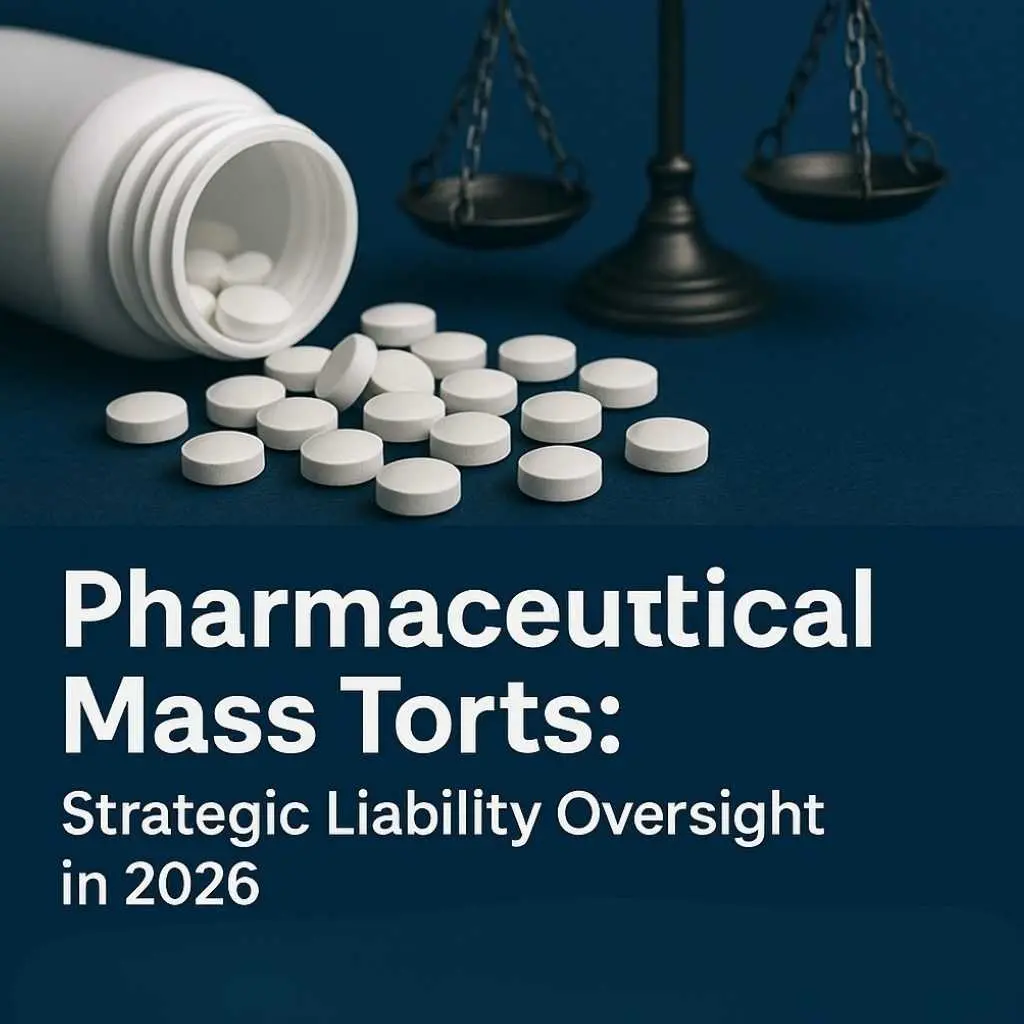
In 2026, pharmaceutical mass torts are increasingly focused on the intersection of artificial intelligence in drug development and consumer safety.
When a drug is released without adequate long-term testing, the resulting legal fallout often falls under the umbrella of pharmaceutical mass torts.
Strategic liability oversight is now essential for legal firms to navigate the intricate web of federal regulations and safety standards that govern these cases.
The Rise of Digital Evidence in Mass Torts
One of the most significant trends in pharmaceutical mass torts this year is the use of real-world data (RWD) and blockchain technology to track drug side effects.
This digital transparency has made it easier to prove professional negligence during the clinical trial phases.
In modern pharmaceutical mass torts, having access to decentralized medical records can significantly strengthen a claimant’s position, ensuring that the evidence is both immutable and verifiable.
Victim Compensation and Legal Strategy
Victims involved in pharmaceutical mass torts in 2026 are benefiting from new judicial frameworks that expedite the settlement process.
Unlike previous years, modern pharmaceutical mass torts prioritize early mediation and strategic liability oversight to ensure that families receive compensation faster.
This shift is a direct response to the growing public demand for corporate accountability and ethical medical practices.
Linking Environmental and Industrial Liability
It is important to note that pharmaceutical mass torts do not exist in a vacuum.
Often, the manufacturing processes behind these drugs involve significant environmental risks, which we have explored in our analysis of Corporate Environmental Negligence.
Furthermore, the industrial safety of the facilities themselves can overlap with Industrial Liability Claims, creating a multi-layered legal challenge for pharmaceutical giants.
Future Challenges in Drug Litigation
As we look beyond 2026, the complexity of pharmaceutical mass torts will likely increase with the introduction of personalized medicine and gene therapies.
Legal experts must adapt their strategic liability oversight to cover these new domains of professional negligence.
Staying ahead of these trends is not just about winning cases; it is about reshaping the future of global healthcare safety and ensuring that pharmaceutical mass torts serve as a robust deterrent against corporate misconduct.
Final Thoughts on Strategic Oversight
The key to success in pharmaceutical mass torts for 2026 lies in a multidisciplinary approach.
By combining medical expertise with advanced legal analytics, firms can provide the strategic liability oversight necessary to tackle the challenges of modern drug litigation.
For those seeking justice, understanding these emerging trends is the first step toward a successful legal outcome.
In 2026, the success of pharmaceutical mass torts depends heavily on big data analytics.
Legal teams now utilize sophisticated algorithms to cross-reference patient outcomes with specific drug batches, identifying patterns of professional negligence that were once invisible.
This data-driven approach allows for more accurate strategic liability oversight, ensuring that every claimant’s experience is backed by statistical evidence.
By integrating these advanced analytics, pharmaceutical mass torts are becoming more efficient and more difficult for negligent corporations to challenge in court.
Furthermore, pharmaceutical mass torts are increasingly influenced by international safety standards.
In 2026, a drug safety failure in one country can trigger global litigation, requiring a unified legal strategy.
Strategic liability oversight now involves monitoring regulatory changes across multiple jurisdictions to ensure that professional negligence is addressed on a global scale.
This international cooperation ensures that victims of pharmaceutical mass torts receive justice, regardless of where the pharmaceutical company is headquartered or where the drug was manufactured.”
Q: What are pharmaceutical mass torts?
A: They are large-scale legal actions involving multiple plaintiffs who have been harmed by the same drug or medical device.
Q: Why is strategic liability oversight important in 2026?
A: It ensures that all layers of professional negligence are identified, from clinical trials to marketing failures.

[…] Predictive analytics now allow legal teams to model potential litigation outcomes based on historical data from Pharmaceutical Mass Torts. […]